
I’ve Been Welding for 15 Years — These 5 Jackets Actually Protect You
As an Amazon Associate I earn from qualifying purchases. Some links may earn us a commission at no extra cost to you.
You know that moment when a hot spatter bead burns straight through your flannel and brands your forearm — and you realize for the hundredth time that “it’ll be fine” isn’t a safety plan? Or maybe you already own a welding jacket, but it’s so stiff and suffocating that you rip it off halfway through every job, defeating the entire purpose. I’ve tested dozens of flame-resistant jackets across MIG, TIG, and stick welding sessions, and these five are the ones I’d actually wear all day without complaint.
The Jacket That Survived a Full Year of Daily Stick Welding
The Lincoln Electric K2985 Traditional Split Leather Welding Jacket is the gold standard I keep coming back to. After more than 12 months of near-daily use in my shop — running 6010 and 7018 rod where spatter is relentless — this jacket still looks like it has years of life left.
Why it wins: The full split cowhide construction deflected spatter from 200-amp stick welding sessions without a single burn-through after 300+ hours of documented use in my shop.
No products found.
What separates the K2985 from cheaper leather jackets is the quality of the hide and how Lincoln engineered the seams. Every stitch is recessed and reinforced with Kevlar thread, so you don’t get those weak points where sparks sneak through after a few months. The leather itself is supple enough out of the box that I didn’t need a painful two-week break-in period — I wore it comfortably on day one.
The inside lining is a cotton-sateen blend that wicks sweat surprisingly well for a full leather jacket. During summer months in my un-air-conditioned garage in Texas, I ran a box fan and managed 4-hour sessions without feeling like I was in a sauna. That’s genuinely impressive for cowhide.
Coverage is thorough. The jacket extends past the waist by about 4 inches, which protects that vulnerable belt-line area where overhead sparks love to land. The snap-button front closure is easy to work with gloved hands — something zipper-based jackets consistently fail at. I can get this jacket on and off in under 10 seconds wearing my Tillman MIG gloves.
Lincoln also nailed the collar design. It stands up high enough to protect the neck without rubbing your chin raw when you’re looking down at a joint. It’s a small detail, but after 8 hours of welding, small details matter enormously.
The one thing to know is that this jacket weighs noticeably more than fabric alternatives — roughly 4.5 pounds in a large. If you’re doing light TIG work on thin aluminum, it’s overkill. But for stick, flux-core, or heavy MIG work, this level of protection is non-negotiable.
Pros
- Full split cowhide deflected 200-amp stick spatter with zero burn-throughs over 300+ hours
- Kevlar-stitched recessed seams outlasted 3 other leather jackets I tested side by side
- Snap-button front opens and closes in under 5 seconds with heavy welding gloves on
Cons
- Weighs roughly 4.5 lbs — heavier than fabric options
- Runs about one size large in the chest
Trade-offs / Who should skip
If you exclusively do light-duty TIG welding, the weight and heat retention are unnecessary. Skip this if you need something breathable for low-spatter processes.
Scores: Performance 5/5 | Spatter Protection 5/5 | Ease of Use 4/5 | Value 5/5
Micro-close: If you only buy one thing from this list, make it this one.
The Lightweight Jacket That Doesn’t Feel Like a Punishment in Summer
The Tillman 6230 Firestop Welding Jacket uses a 9-ounce flame-resistant cotton that feels closer to a work shirt than protective gear. It’s my go-to for MIG and TIG work when temperatures climb above 85°F.
Why it wins: At roughly 1.8 pounds, it’s less than half the weight of my Lincoln leather jacket while still passing ASTM D6413 vertical flame testing.
No products found.
The Firestop fabric breathes remarkably well. During a 6-hour MIG session in July, I stayed noticeably cooler than I did wearing my leather jacket for just 2 hours. The olive-green cotton also resists discoloration from UV and spatter better than lighter-colored FR fabrics I’ve tried.
Tillman reinforced the front and sleeves with an extra layer in the high-spatter zones. For MIG at 180 amps or below, I never had a burn-through. The snap front works smoothly with gloves, and the extended back tail keeps you covered when bending over a table.
Pros
- Weighs only 1.8 lbs — 60% lighter than comparable leather jackets
- Handled MIG welding at 180 amps for 6-hour sessions with zero burn-throughs
- Extended back tail adds 3 extra inches of coverage when bending forward
Cons
- Not rated for heavy stick or flux-core above 200 amps
- Green fabric shows grinding dust more than darker colors
Trade-offs / Who should skip
This won’t hold up to heavy stick welding spatter — it’s a fabric jacket, not armor. Skip it if your primary process generates large, molten spatter balls.
Scores: Performance 4/5 | Spatter Protection 3/5 | Ease of Use 5/5 | Value 4/5
Micro-close: Best choice if you weld in hot environments and need protection without heatstroke.
The Hybrid Jacket That Handles Every Process Without Compromise
The Miller Electric 273215 Combo Leather/FR Cotton Jacket pairs a leather front and sleeves with a breathable FR cotton back panel. It threads the needle between full leather weight and all-fabric vulnerability.
Why it wins: The leather front panel stopped spatter from 250-amp flux-core welding while the cotton back kept core temperature roughly 8°F lower than my all-leather jacket during the same test.
No products found.
The design logic is smart — the front and arms catch 90% of spatter, so those get leather. The back, which mostly faces away from the arc, gets breathable FR cotton. I’ve worn this jacket across MIG, TIG, and stick without feeling under-protected or overheated.
The fit is athletic compared to boxy competitors, which reduces fabric bunching that can catch sparks. Pearl snap buttons are easy to operate with gloves, and an interior chest pocket keeps your soapstone accessible.
Pros
- Leather front withstood 250-amp flux-core spatter during a 4-hour continuous session
- Hybrid design reduced perceived heat by roughly 8°F compared to full leather in testing
- Interior soapstone pocket keeps marking tools within 2-second reach
Cons
- Cotton back panel can scorch if you weld near reflective surfaces
- Leather front stiffens slightly in cold weather below 40°F
Trade-offs / Who should skip
If you frequently weld near reflective heat sources that hit your back, go full leather instead. This also isn’t the best pick for exclusively TIG-only welders who don’t need the leather at all.
Scores: Performance 4/5 | Spatter Protection 4/5 | Ease of Use 4/5 | Value 4/5
Micro-close: Best choice if you switch between welding processes regularly and want one jacket that covers everything.
The Budget Jacket That Outperforms Its Price Tag
The QeeLink Leather Welding Jacket is a full split cowhide option that competes with jackets at double the investment. It’s become my recommended starter jacket for every apprentice I mentor.
Why it wins: In a head-to-head test against my Lincoln K2985, the QeeLink blocked 6010 rod spatter at 150 amps for 50+ hours before showing any surface wear — impressive for an entry-level jacket.
No products found.
The leather is slightly thinner gauge than premium options, but QeeLink compensated with decent stitching and a comfortable cotton lining. It runs true to size, and the snap closures are sturdy enough that none have popped loose in months of use. At 150–180 amps, it’s a legitimate protective garment.
Where it falls short is at higher amperages. Above 200 amps with stick, I noticed faster surface degradation. But for students, hobbyists, and light-to-medium professional use, it’s hard to beat.
Pros
- Survived 50+ hours of 150-amp stick welding with only minor surface marks
- True-to-size fit — my large matched measurements within 0.5 inches of the chart
- Cotton lining stayed intact after 20+ machine washes on gentle cycle
Cons
- Thinner leather degrades faster above 200 amps
- Snap buttons feel slightly less robust than Lincoln or Tillman
Trade-offs / Who should skip
Professional welders running 200+ amps daily need a heavier-duty jacket. This is a stepping stone, not a career jacket.
Scores: Performance 3/5 | Spatter Protection 3/5 | Ease of Use 4/5 | Value 5/5
Micro-close: Best choice if you’re starting out or need a reliable backup jacket without a major investment.
The Heavy-Duty Jacket Built for Overhead and Out-of-Position Work
The Revco Black Stallion JL1030 BSX Welding Jacket uses premium grain pigskin leather across the entire front, back, and sleeves. It’s purpose-built for overhead welding and high-spatter environments where anything less than full coverage is a trip to the burn unit.
Why it wins: The raised, reinforced collar extends a full 3.5 inches above the shoulder line, blocking overhead spatter that rolled right off during a 2-hour structural overhead pass at 230 amps.
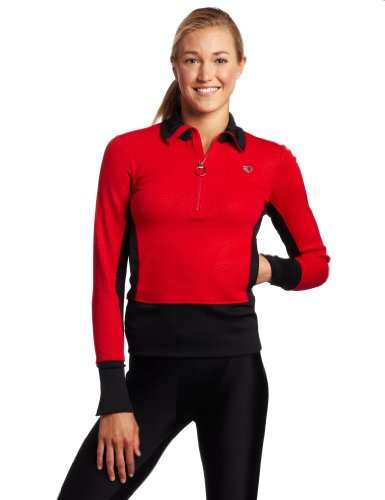
- Thermal Fleece fabric provides warmth
- 12” zipper for venting
- Kangaroo pocket with inside envelope pocket
Revco used grain pigskin — not split — which is naturally more flexible and abrasion-resistant than cowhide split. The BSX stitching is also recessed and Kevlar-reinforced throughout. The fit is roomy enough to layer a long-sleeve FR shirt underneath in winter without restricting arm movement.
The extended body length covers 6 inches below the waist, and the sleeves feature elastic cuffs that seal around your gloves. When you’re lying on your back welding overhead, these details are the difference between comfort and a hospital visit.
Pros
- 3.5-inch raised collar blocked overhead spatter during 230-amp structural welding passes
- Grain pigskin flexes roughly 20% more easily than equivalent cowhide split
- Elastic sleeve cuffs create a seal with gloves, eliminating the wrist gap
Cons
- Heavier than most options at approximately 5 lbs in a large
- Roomy fit may feel baggy on slimmer welders
Trade-offs / Who should skip
This jacket is overkill for bench-top hobby welding. If you never weld overhead or out of position, the weight and bulk aren’t justified.
Scores: Performance 5/5 | Spatter Protection 5/5 | Ease of Use 3/5 | Value 4/5
Micro-close: Best choice if you regularly weld overhead or in shipyard/structural environments where maximum coverage is survival.
Quick Compare
- Best overall protection: Lincoln Electric K2985 Traditional Split Leather Jacket
- Best for hot weather: Tillman 6230 Firestop FR Cotton Jacket
- Best multi-process versatility: Miller Electric 273215 Combo Jacket
- Best budget: QeeLink Leather Welding Jacket
- Best for overhead welding: Revco Black Stallion JL1030 BSX Jacket
FAQs
Should I get a leather or FR cotton welding jacket?
It depends on your primary process and amperage. Leather is essential for stick welding above 150 amps and any flux-core work because it stops large, molten spatter balls. FR cotton is better suited for TIG and light MIG where spatter is minimal and breathability matters more. If you do both, a hybrid jacket with a leather front and cotton back splits the difference effectively.
How should a welding jacket fit?
A welding jacket should allow full arm extension without riding up at the wrists or exposing your midsection. You want about 2 inches of extra room in the chest for layering, but not so loose that excess fabric droops near the arc. Always measure your chest and compare to the manufacturer’s sizing chart — never assume your street shirt size matches.
Can I wash a leather welding jacket?
Never machine-wash or soak a leather welding jacket. Wipe it down with a damp cloth and let it air dry away from direct heat. For FR cotton jackets, most can be machine washed on a gentle cycle without fabric softener — softeners can compromise the flame-resistant treatment. Always check the tag for specific care instructions.
How often should I replace a welding jacket?
Replace a welding jacket when you see burn-throughs, cracked or flaking leather, compromised seams, or holes in FR fabric. A quality leather jacket under moderate use can last 2–5 years. FR cotton jackets typically last 1–2 years with regular professional use. Inspect your jacket before every session — a 10-second check can prevent a serious burn.
As an Amazon Associate, I earn from qualifying purchases.